Suite 06 · Hosting Game Nights
Hosting game nights people keep coming back to
The host craft behind a good card night: the room, the decks, the snacks that spare the cards, the schedule, and Hand and Foot for the family table.
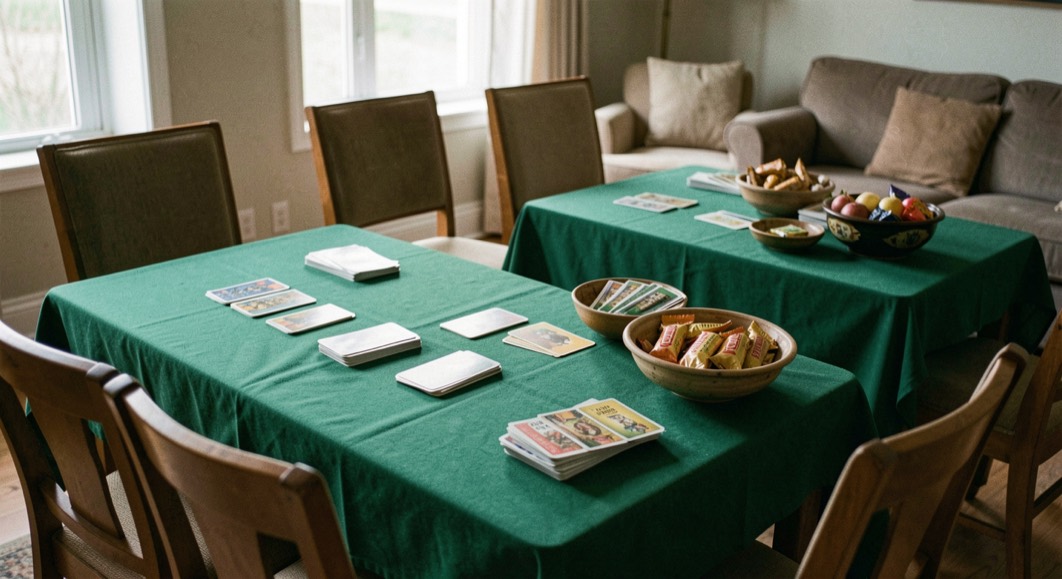
The difference between a card night that becomes a tradition and one that dissolves after three weeks is rarely the game; it is the hosting. The room needs light and elbow room, the decks need neighbors who cannot spill on them, the evening needs a shape: a warm-up game, a main game, a declared end and a rematch. This suite covers the host craft in general, then goes deep on Hand and Foot, the long family game that turns a card night into an institution.
Everything here is written from the organizer side: what to buy, what to prepare, what to say when the fourth player cancels, and how the evening ends while people still want one more hand. That last rule is the one that brings them back.
In this suite
-
Workshop practice on the Anne Arundel shore
A documentary look at workshop practice along the Anne Arundel shore of the Chesapeake: easel habits, local clay, bench work and field notes.
-
American film noir: a reference notebook
A guide to American film noir and repertory programming, with notes on Double Indemnity, seasonal cycles, and how to approach M in a screening.
-

Bringing tournament structure to the family game night
A family card night becomes a tournament the moment it borrows structure: a visible bracket, short rounds and a declared ending, borrowed from the pacing of party games.
-

Where community card tournaments actually happen: halls, lodges and Legion rooms
Community card tournaments happen in rooms built for something else: lodge halls, Legion rooms, church basements. The evening succeeds on how well the organizer borrowed the room.
-
How to host a classic card game night
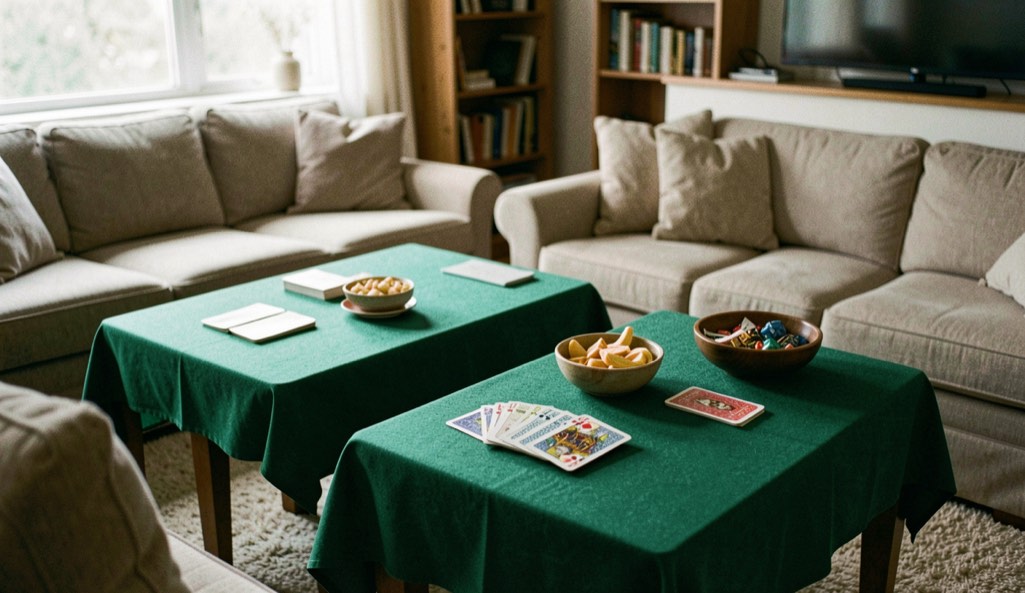
A card night is won or lost before the first shuffle: light, tables, food, pace and one host decision that matters more than any rule, ending while the room still wants one more hand.
-
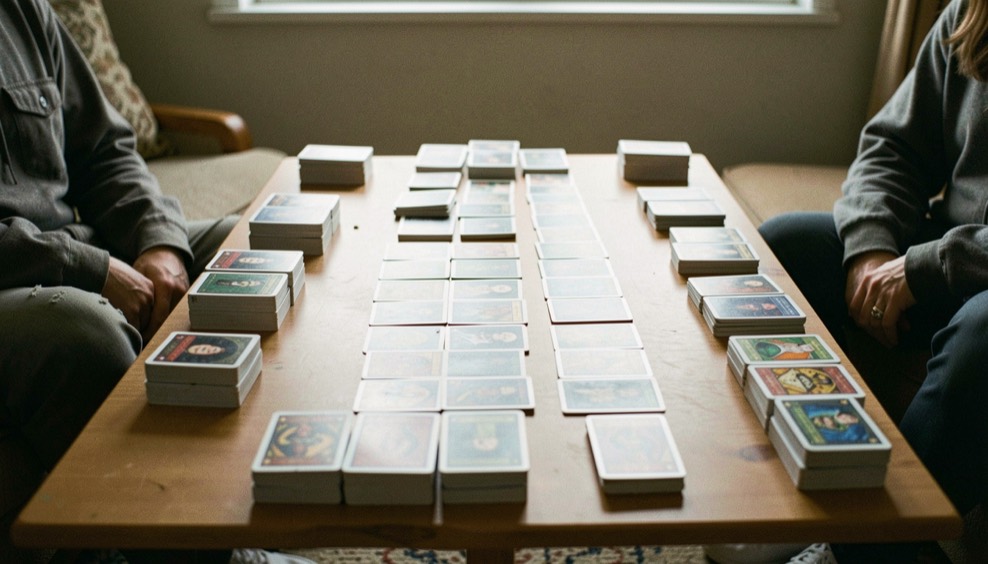
Hand and Foot: rules for the card night table
Hand and Foot is the loud cousin of canasta: two hands per player, four rounds of rising meld requirements, and the game most likely to turn a card night into an institution.
Every guide in this suite reads against the Scoring & Sheets arithmetic, and two neighbouring suites extend it: Game Rules and Strategy Guides.