
A guide to the classic American card games
The classic card games, dealt the way tournaments play them
Grand Prix Tournaments is a guide to the American card parlor: Euchre, Hearts, Pinochle, Spades, Bid Whist and Hand and Foot. Every rule explained from the deal to the last trick, every strategy argued from the cards themselves, and the formats that turn a kitchen table into a championship.
Est. 1999 · Euchre · Pinochle · Spades · Bid Whist · Hearts · Hand and Foot
01-06The six suites of the guide
Six doors in the same parlor, from the deal to the trophy.
-
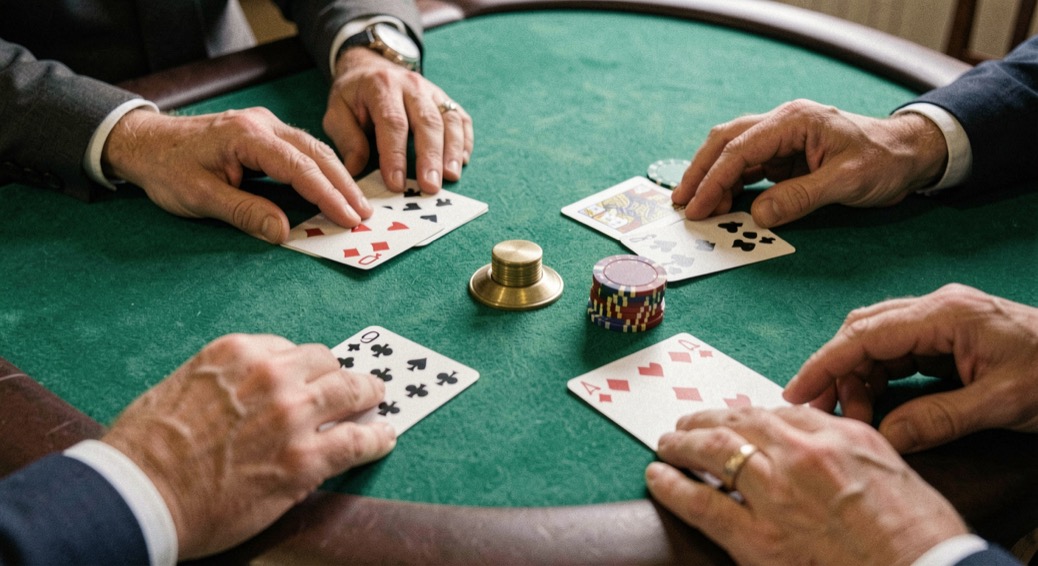
01
Game Rules
The deck, the deal, the bidding and the score, written so a first table can start playing in ten minutes and never stop to argue.
-
02
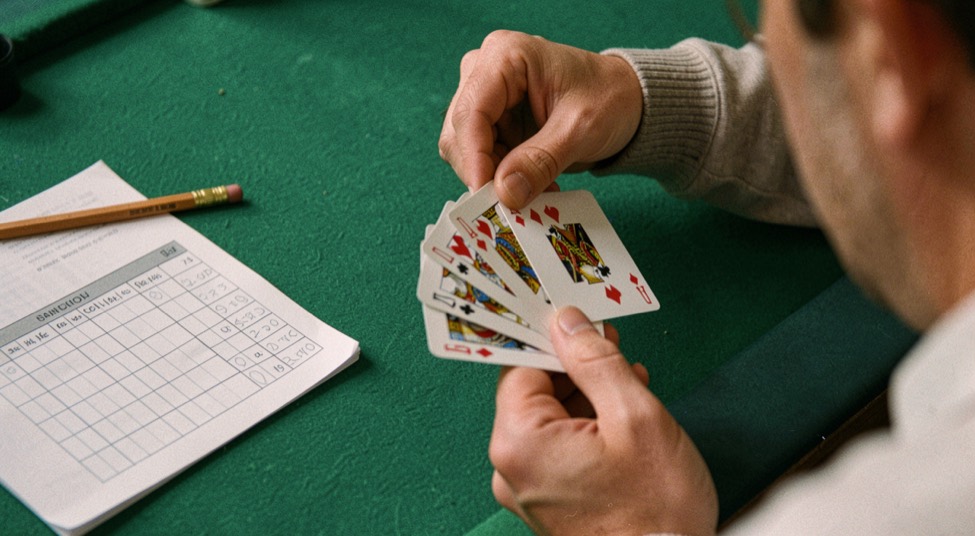
Strategy Guides
No lucky-story tactics: counting, positioning and the decisions that win the same hand twice.
-
03
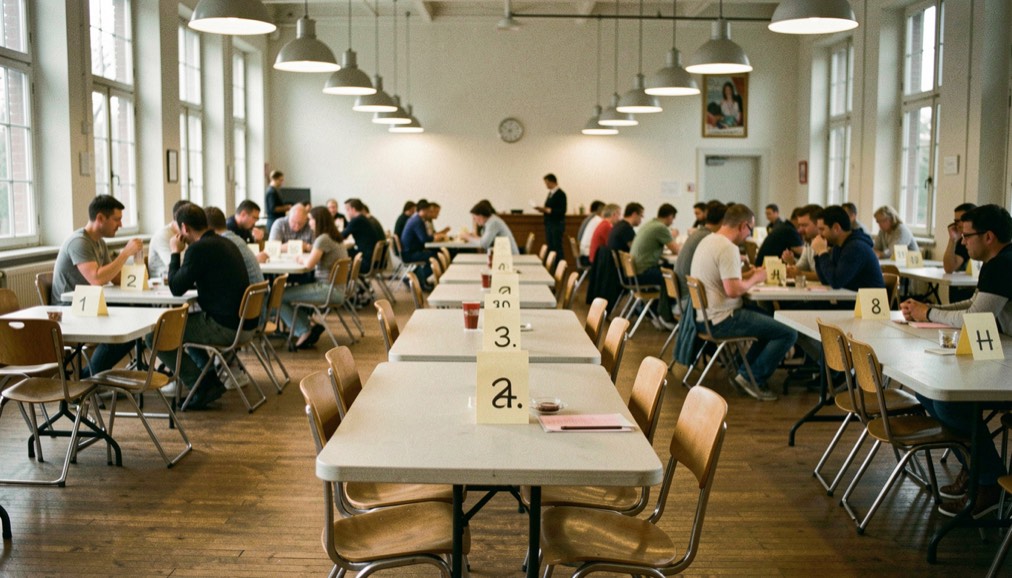
Tournament Formats
The arithmetic of a fair evening: rounds, byes, movements and the score sheets that keep forty players honest.
-
-
05
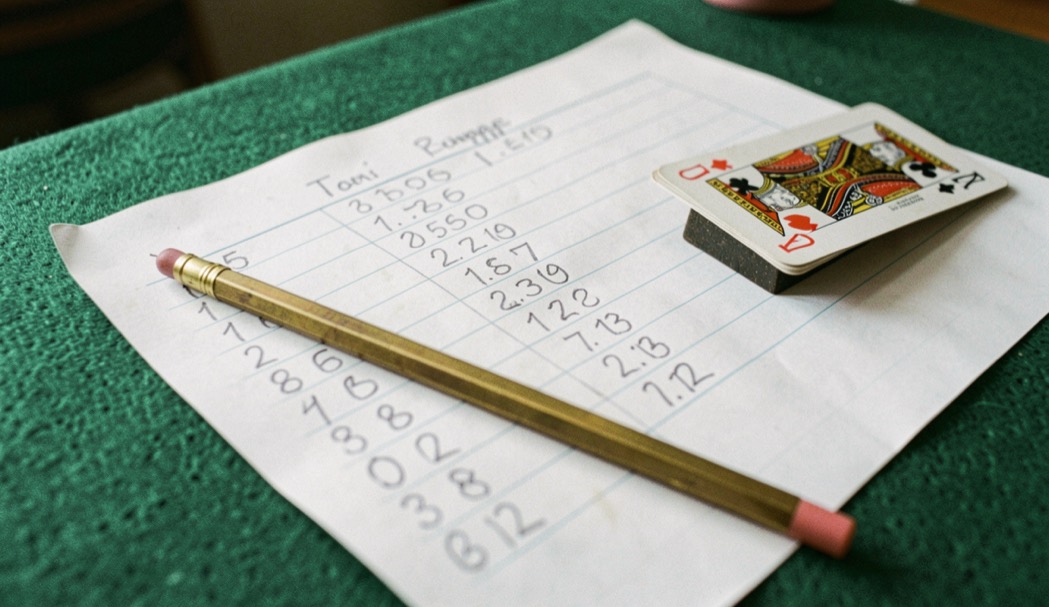
Card Game History
The real routes these games took, told from the published record and nothing invented.
-
06
Hosting Game Nights
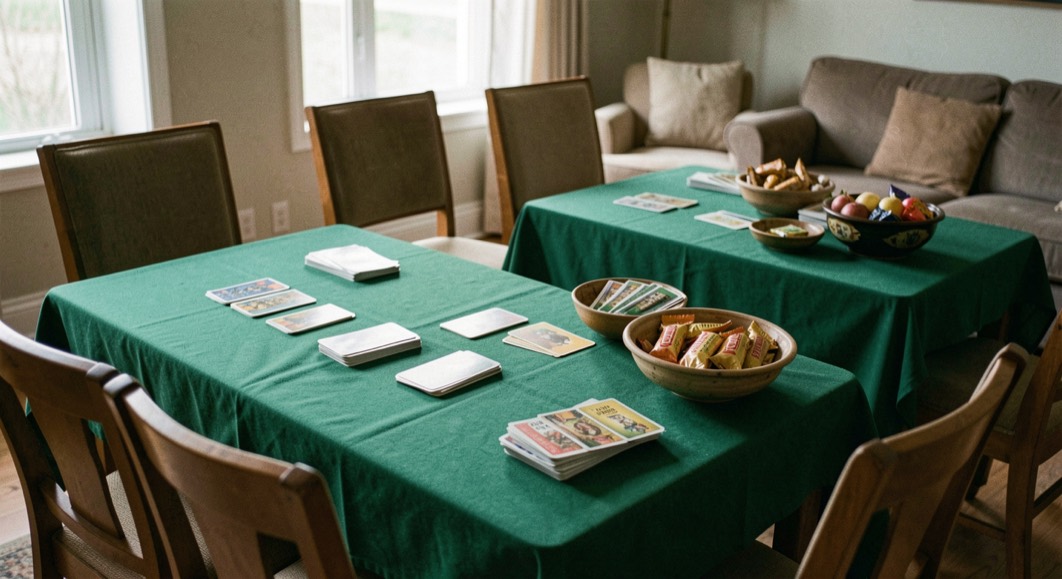
The evening is won before the first card is dealt: chairs, light, food, pace and the rematch rule.
LEDGERThe tally
Every guide we publish, dated, from all six suites of the parlor.
-
· Card Game History
Halloween origins: Samhain, All Hallows and pumpkins
Where Halloween comes from, what Samhain was, and why pumpkins are carved: the folklore behind October 31, explained plainly.
-

· Card Game History
How a Lutheran Sunday Service Unfolds
A plain walkthrough of Lutheran belief on grace and faith, the steps of a Sunday service, and how a hymnal shapes the singing.
-
· Card Game History
Dark Swords: The High Tow MMORPG and Its Sources
A plain guide to Dark Swords, the English-language MMORPG by High Tow, and to the historical sword reference material its players tend to consult.
-
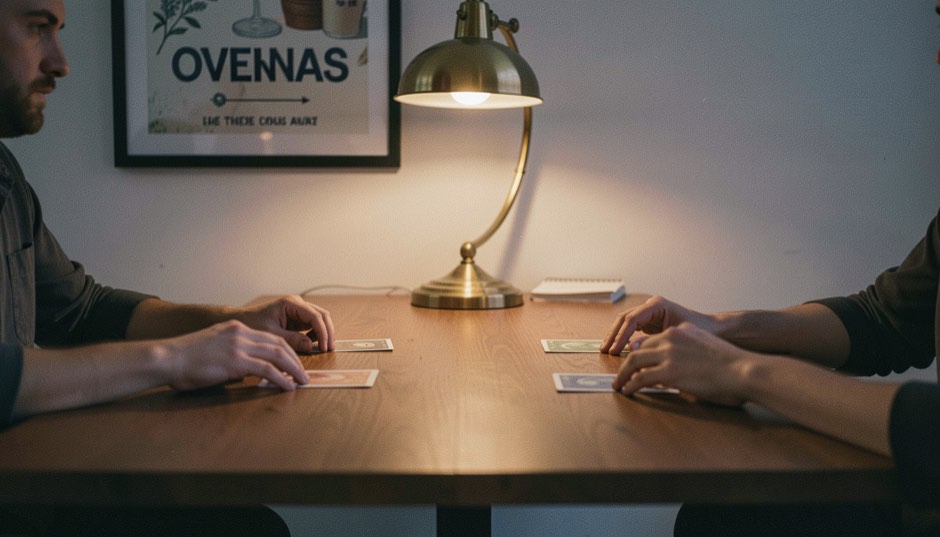
· Card Game History
A Finnish magazine on print culture and media history
Aika is an independent Finnish-language magazine covering newspaper history, paper production and Finland's media market, from the 1800s to the digital shift.
-
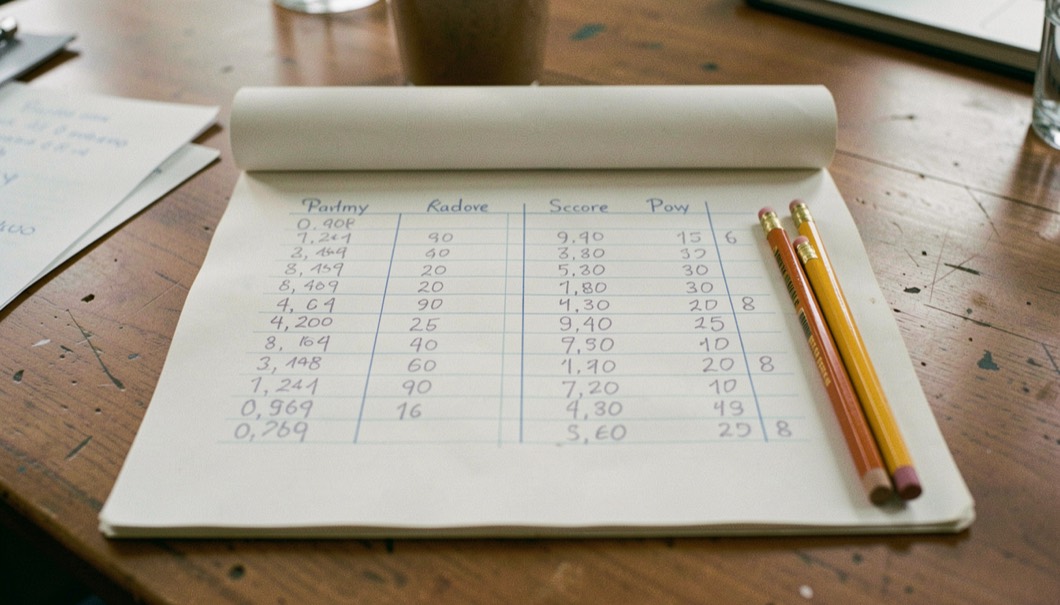
· Game Rules
Crochet basics: hook, chain and first stitches
A plain guide to holding a crochet hook, making a first chain, telling the basic stitches apart, and reading pattern abbreviations without losing your place.
-
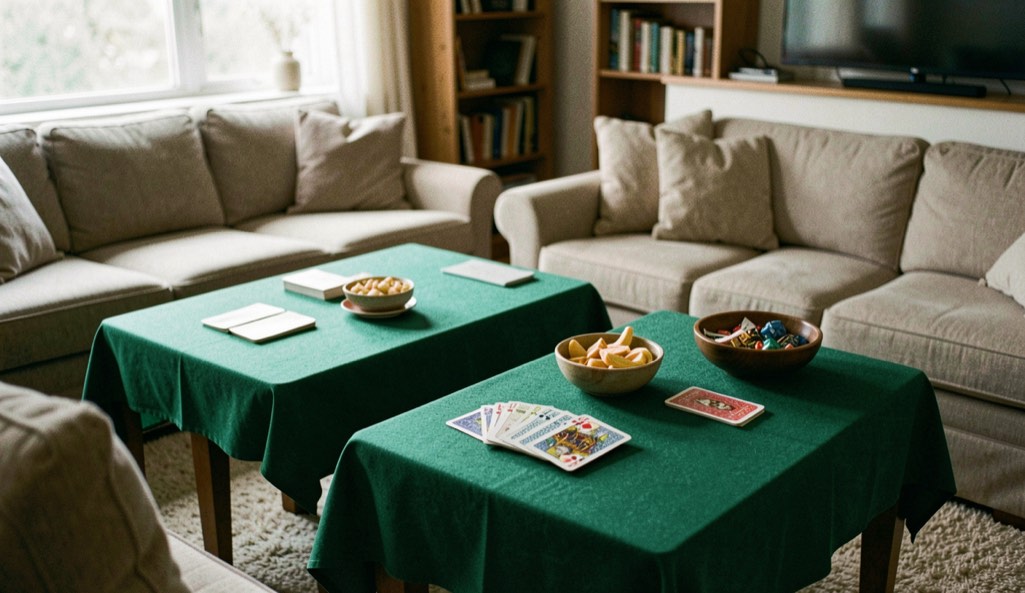
· Hosting Game Nights
Workshop practice on the Anne Arundel shore
A documentary look at workshop practice along the Anne Arundel shore of the Chesapeake: easel habits, local clay, bench work and field notes.
-
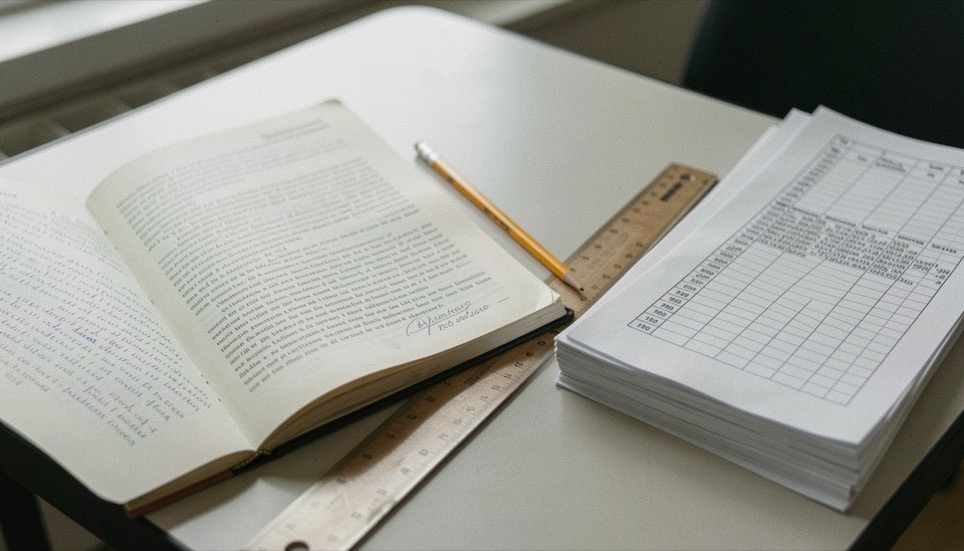
· Hosting Game Nights
American film noir: a reference notebook
A guide to American film noir and repertory programming, with notes on Double Indemnity, seasonal cycles, and how to approach M in a screening.
-
· Strategy Guides
Claire Schneider: editorial photography portfolio
A look at the Claire Schneider Light Table portfolio: editorial assignments, documentary essays, and the legal side of publishing photographs.
-
· Strategy Guides
Digital illustration: portfolio and working notes
A working reference for digital illustration: Photoshop painting order, character design and model sheets, plus the freelance side: portfolio, quotes, day
-

· Hosting Game Nights
Bringing tournament structure to the family game night
A family card night becomes a tournament the moment it borrows structure: a visible bracket, short rounds and a declared ending, borrowed from the pacing of party games.
-

· Hosting Game Nights
Where community card tournaments actually happen: halls, lodges and Legion rooms
Community card tournaments happen in rooms built for something else: lodge halls, Legion rooms, church basements. The evening succeeds on how well the organizer borrowed the room.
-

· Tournament Formats
Head-to-head or the whole field: what match play and stroke play teach
Every card organizer eventually chooses between the duel and the field; golf settled the same question long ago with two formats that price a mistake in opposite ways.
-

· Tournament Formats
One night, eight fighters: the tournament format that television built
In 1993 a Tokyo tournament compressed a whole championship into one broadcast evening: eight fighters in, one champion out, and a format the card table still borrows.
-

· Tournament Formats
From brackets to pyramids: how a team sport ranks a season
A bracket crowns an evening and a pyramid ranks a year; the two formats answer different questions, and a club sport in Limburg shows the pyramid working in its plain form.
-

· Scoring & Sheets
The handicap problem: how games let uneven players share a table
Every competitive game answers the same unfair question: what to do when players of clearly different strength want the same table. Golf's answer is the most worked-out arithmetic.
-

· Tournament Formats
Classes and divisions: how a tournament stays fair from E to S
A tournament stays fair by refusing to seat beginners against veterans for the same prize: the class system is the mechanism, and sport dancing runs it in its most legible form.
-
· Game Rules
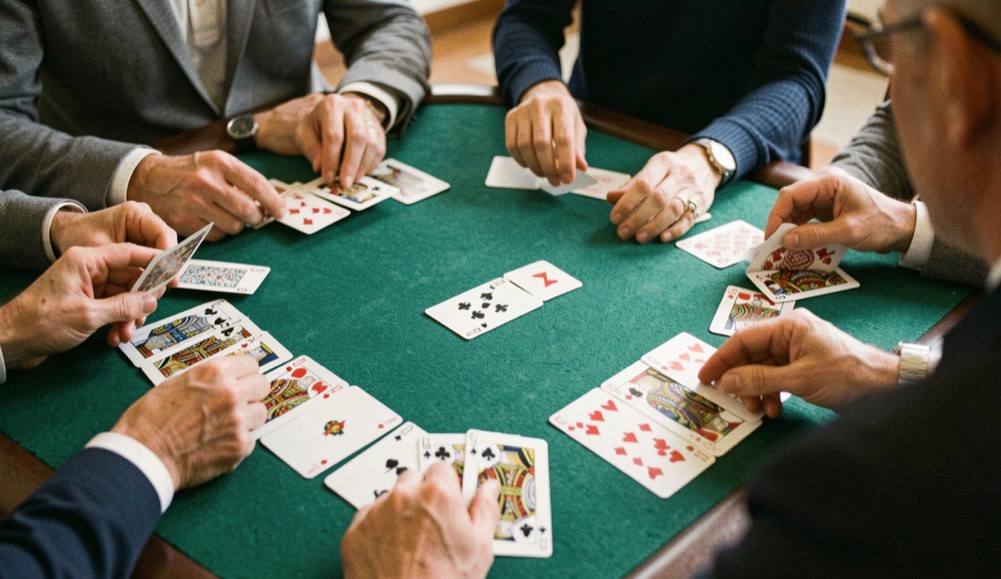
Euchre rules: the 24 card game played right
Euchre is the fastest partnership trick game in the American parlor, and nearly every dispute at the table dissolves once the standard game is laid out deal by deal.
-
· Strategy Guides
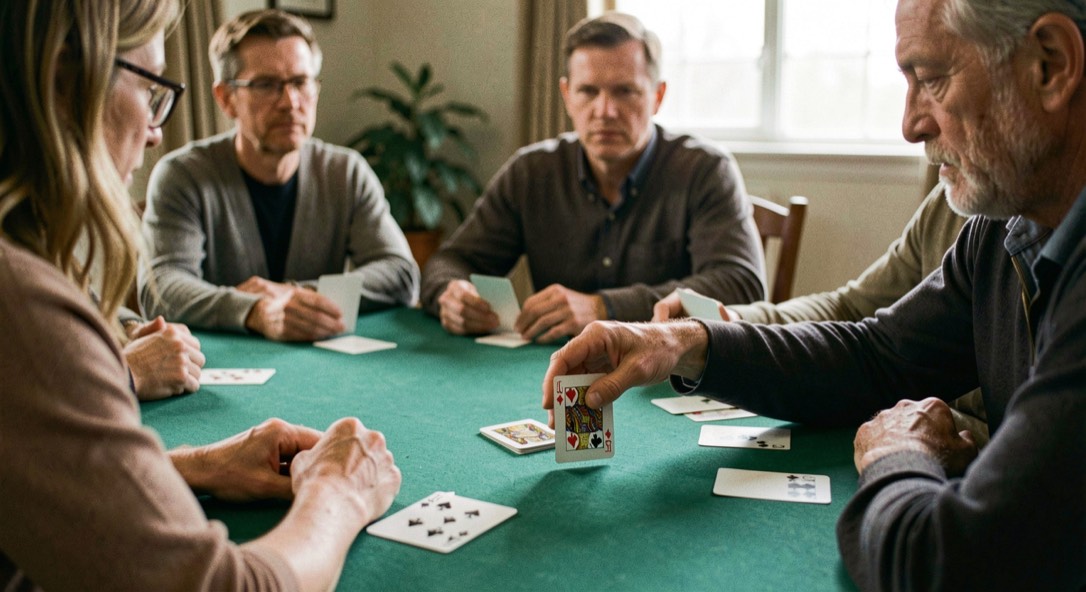
Euchre strategy: order up, or pass?
Euchre strategy is a short list of counts performed quickly: how many trumps are out, who can still have the left bower, and whether this hand pays to play alone.
-
· Tournament Formats
Card tournament brackets from 8 to 64 players
A card tournament is arithmetic before it is drama: pick the bracket that fits the field, know the round and match counts in advance, and the evening runs itself.
-
· Game Rules
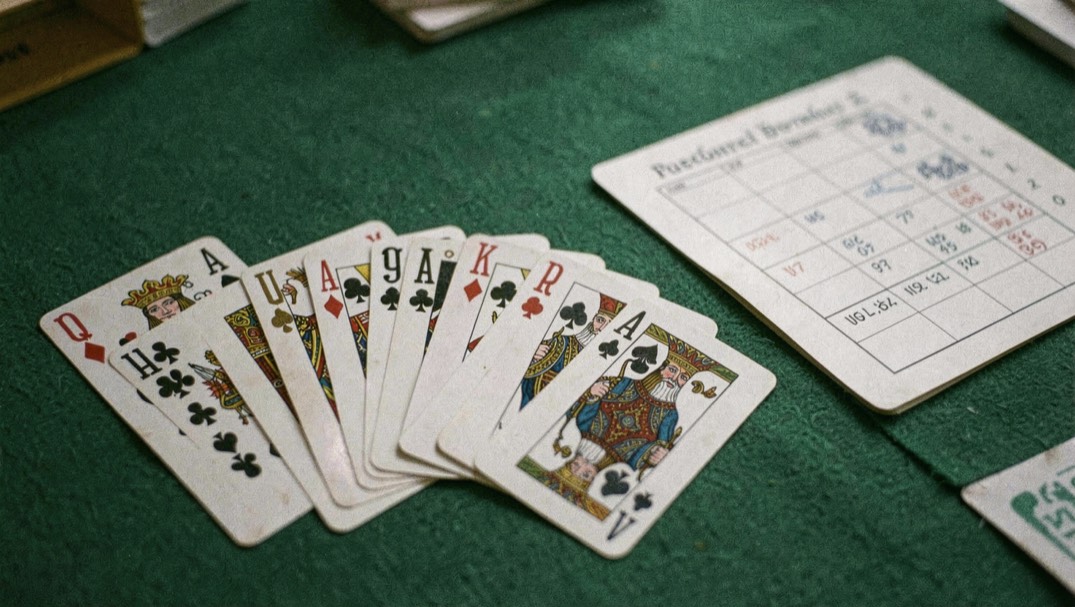
Pinochle rules: partnership auction pinochle
Pinochle looks intimidating for one round of bidding, then reveals itself as the most arithmetic-friendly game in the parlor: count meld, count tricks, make the bid.
-
· Tournament Formats
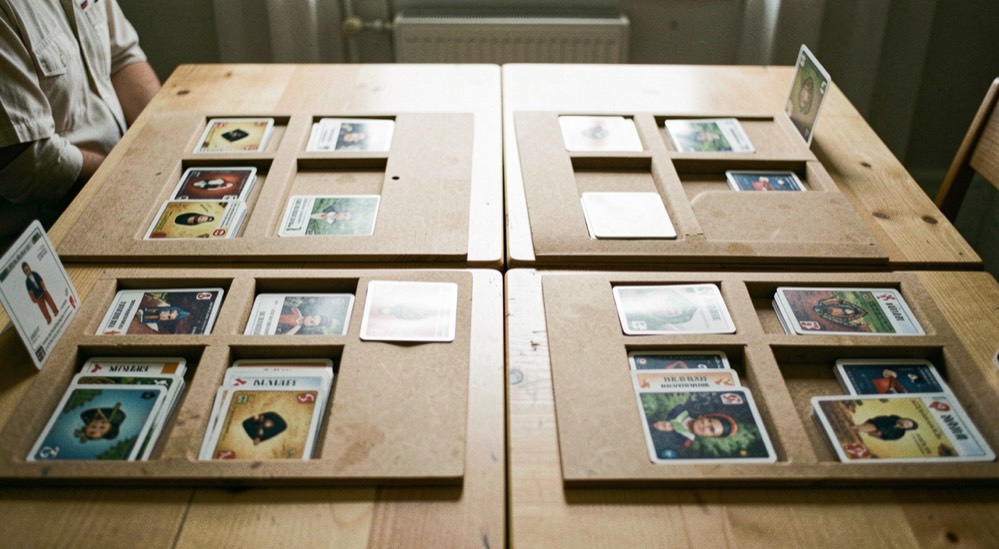
The duplicate format for party card games
Duplicate is the honest format: two tables play the same deals, and the comparison of results, not the shuffle, decides who played the cards better.
-
· Hosting Game Nights
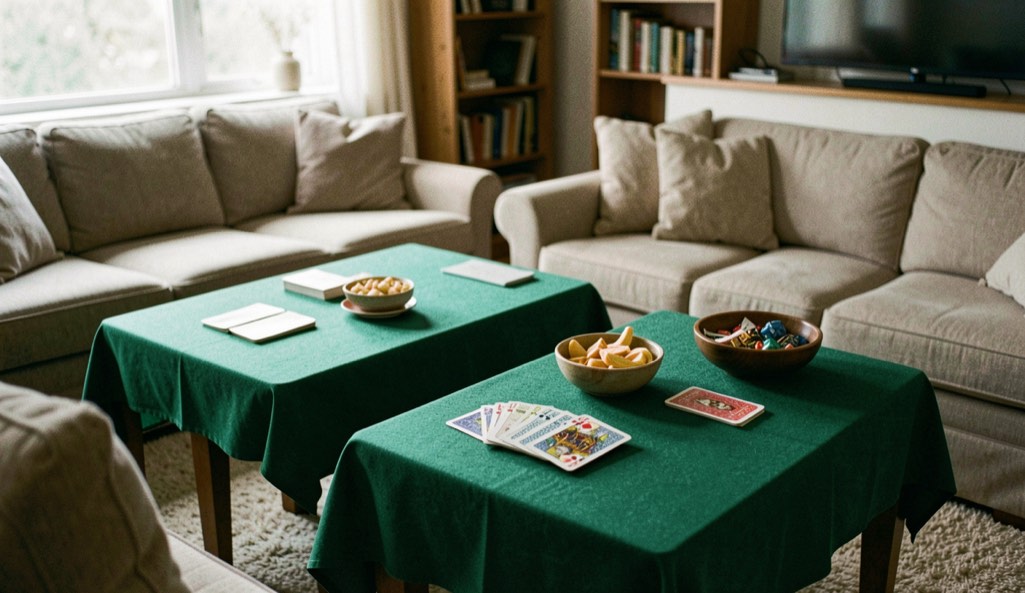
How to host a classic card game night
A card night is won or lost before the first shuffle: light, tables, food, pace and one host decision that matters more than any rule, ending while the room still wants one more hand.
-
· Game Rules
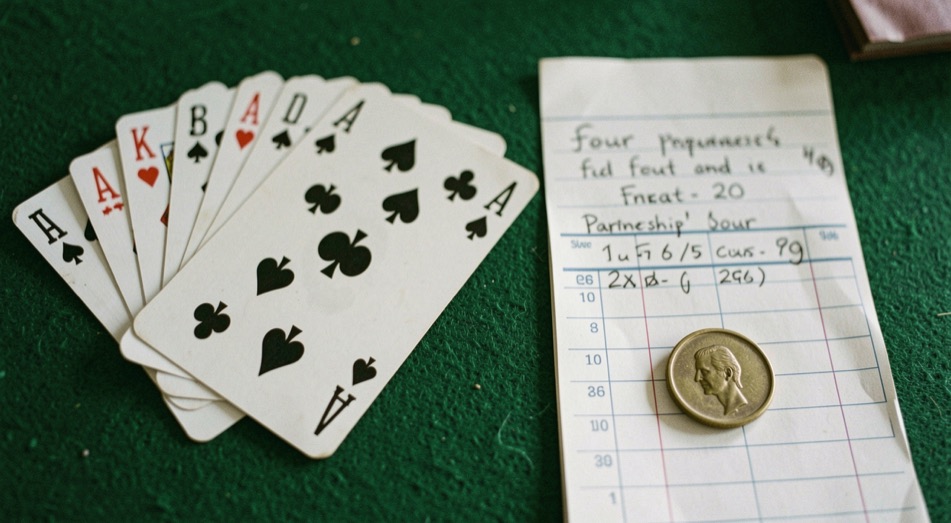
Spades rules: bids, nil and bags explained
Spades is the great American partnership bid game: thirteen tricks, spades always trump, and a scoring system that punishes greed with bags as surely as it rewards nerve with nil.
-
· Strategy Guides
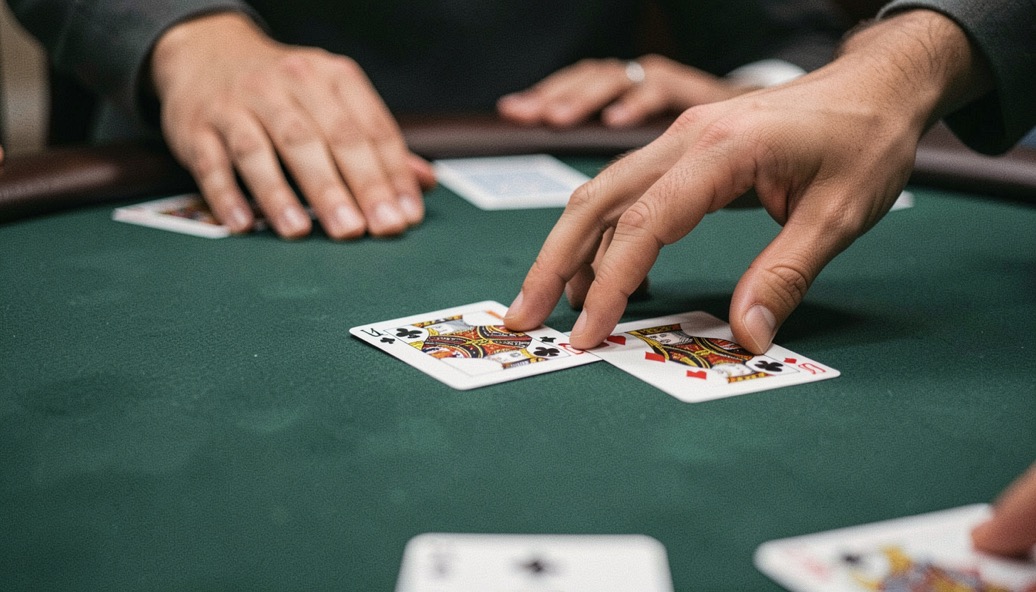
Hearts strategy: the pass, voids and the moon
Hearts is a game of avoidance with one audacious exception, and both halves run through the same decision: what to pass before the first trick is played.
-
· Tournament Formats
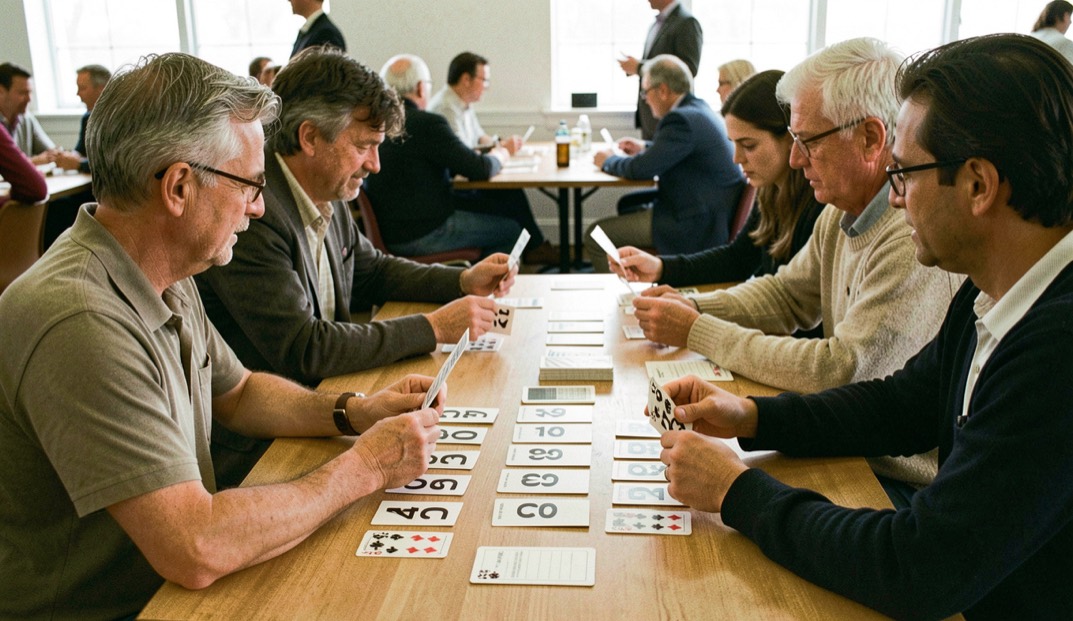
How to run an euchre tournament night
The euchre tournament is the great American card party: partnerships change every round, points pile up on a tally card, and one player goes home the champion by eleven at night.
-
· Strategy Guides
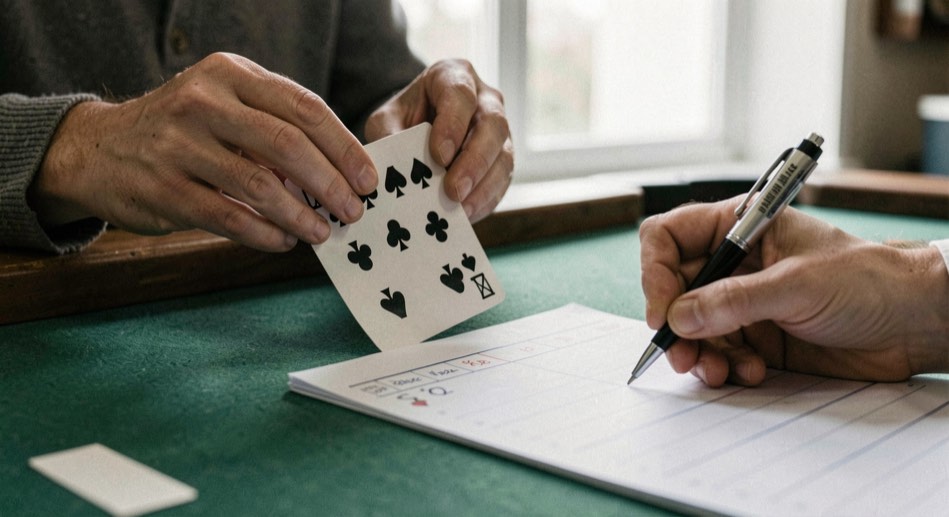
Spades strategy: bidding counts and nil
Spades strategy lives in one habit: converting a thirteen card hand into an honest number before anyone leads, and knowing when the honest number is zero.
-
· Scoring & Sheets
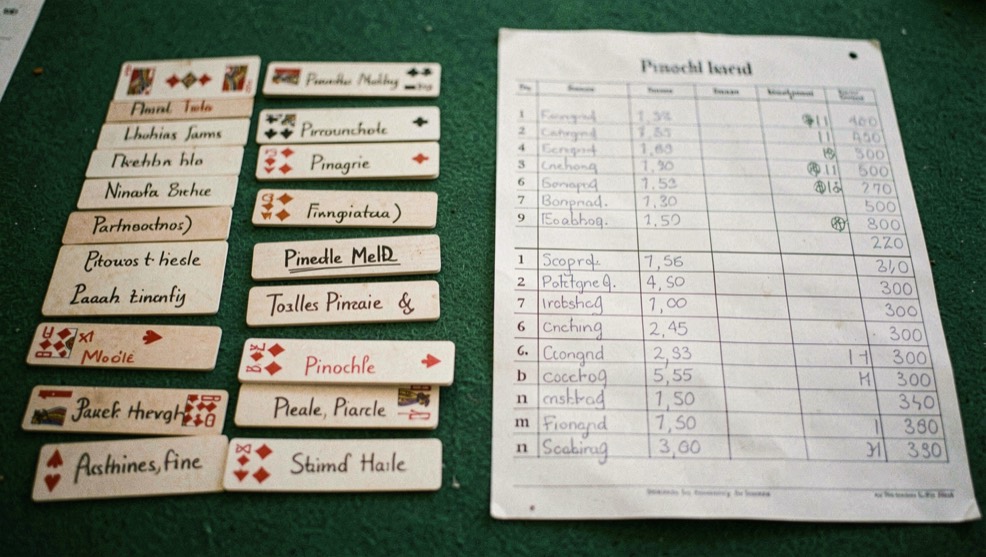
Pinochle scoring: meld, tricks and the count
Pinochle scores in two books, meld first and tricks second, and a table that keeps both books cleanly never argues about anything but the bid.
-
· Card Game History
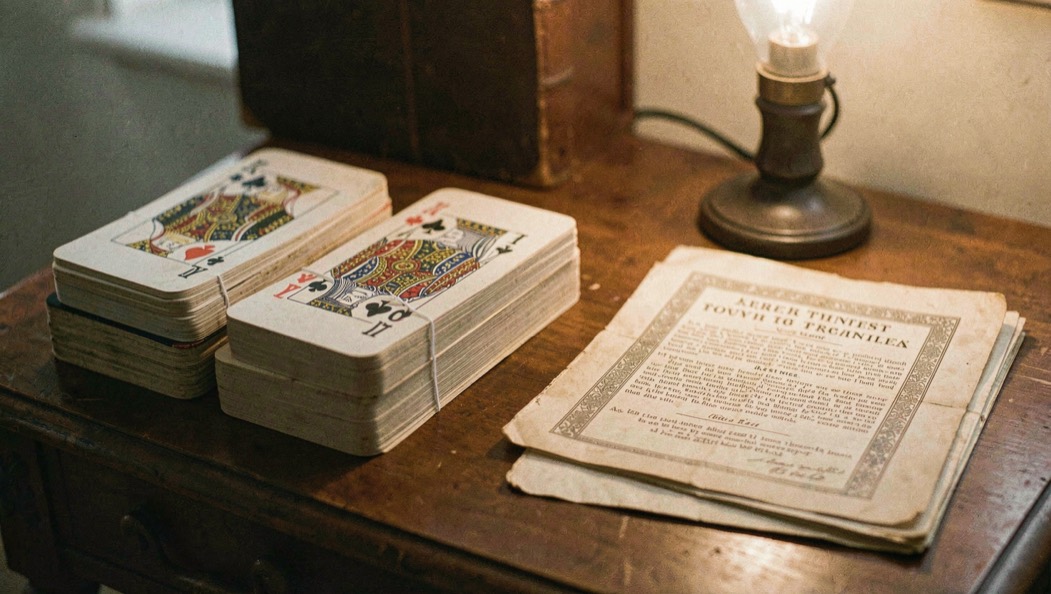
Pinochle history: binocle crosses the ocean
Pinochle arrived in America as a French and German cousin of bezique and became, within two generations, the loudest game in the American parlor: meld shouted, counted, and written down.
-
· Scoring & Sheets
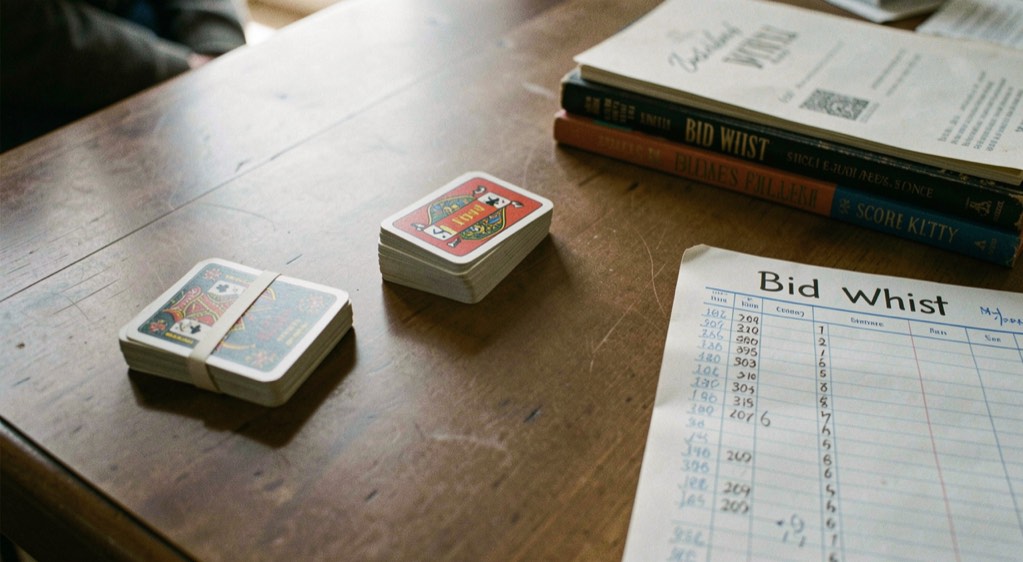
Bid Whist scoring: books, Boston and the kitty
Bid Whist counts in books: six tricks belong to everyone, the rest are sold at auction, and the scoring turns each sold book into points the sheet can prove.
-
· Hosting Game Nights
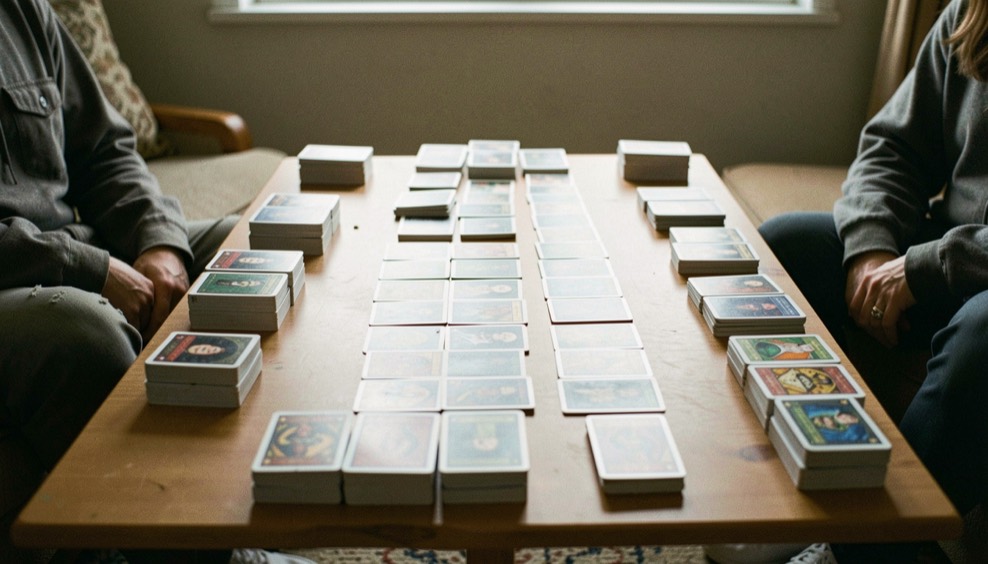
Hand and Foot: rules for the card night table
Hand and Foot is the loud cousin of canasta: two hands per player, four rounds of rising meld requirements, and the game most likely to turn a card night into an institution.
-
· Scoring & Sheets
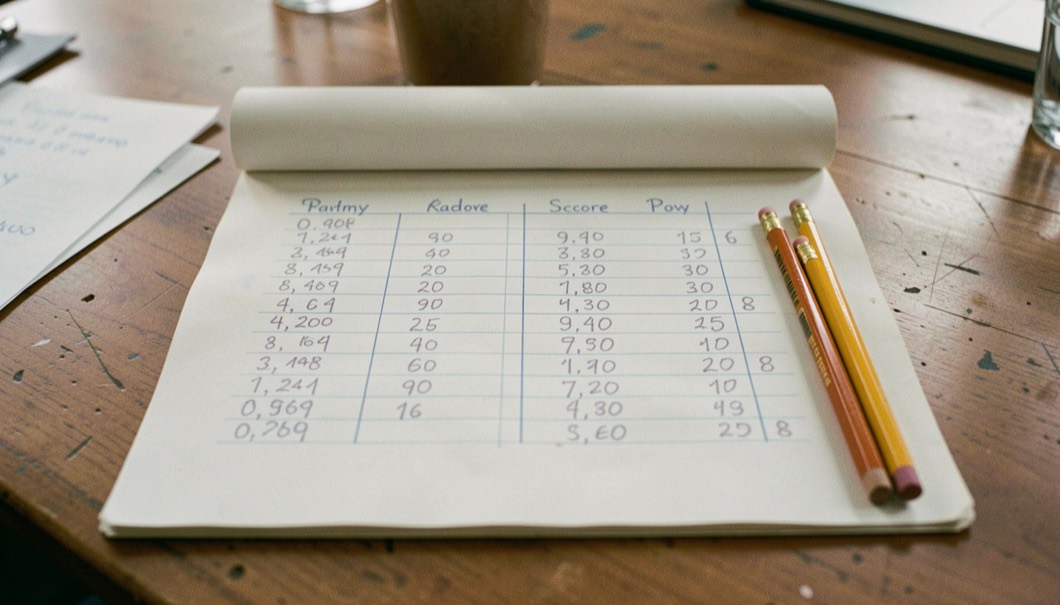
Score sheets that keep the game honest
Most card game arguments are scoring arguments, and scoring arguments die the moment the sheet is designed properly: one line per hand, one running total, no blanks.
-
· Card Game History
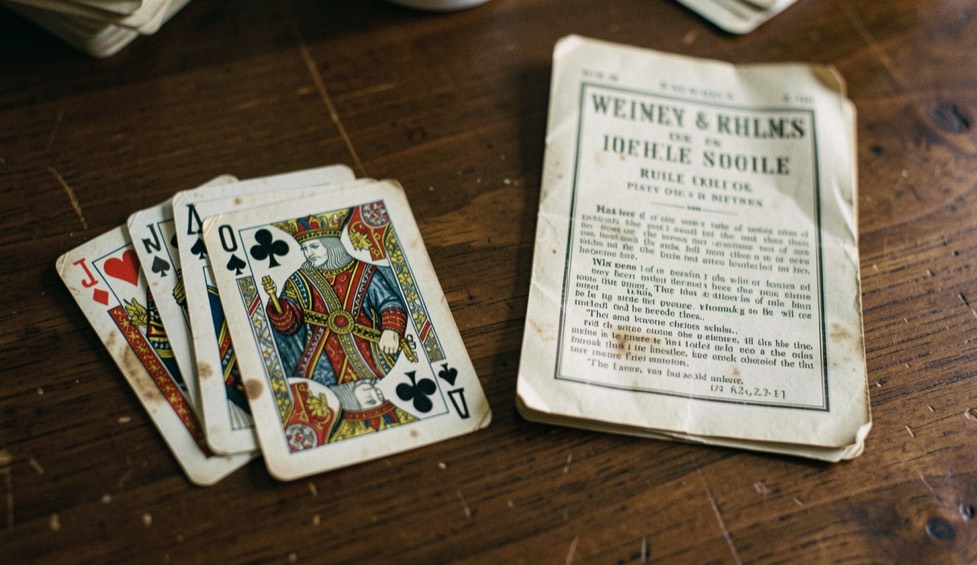
Euchre history: from the Rhine to the Midwest
Euchre is an immigrant game whose route can be traced in the printed record: from the Upper Rhine, through the Pennsylvania German country, up the Ohio and into every parlor in the Midwest.
-
Start with the rules: euchre dealt from the first card
The page the whole guide leans on: the 24 card deck, the bowers, making trump, going alone and the march, written so a first table plays within ten minutes.
Suite 01 · Game Rules
Grand Prix Tournaments keeps the banner of a tournament series first organized in 1999, reborn as a guide: the same games, the same rules, played now at kitchen tables instead of smoke-filled halls. Start from the about page if you want the house style, argue with the editorial policy if you must, and bring every scoring dispute straight to the Bid Whist guide, where books are counted properly.
Readers who want to move past the rules and into another reading culture can turn to a Japanese reading guide, which covers choosing a first book, the vocabulary wall, and the physical formats 単行本, 文庫 and 新書.
For the knots that hold a tarp, a ridge line or a loaded pack, the same plain treatment of hitches, bends and bindings appears in this practical reference to rope knots by function, where each entry names its use, tying method and breaking point.
Readers who want to compare before they play can turn to online casino reviews, a French-language guide covering deposit and withdrawal tests, no-deposit offers, and free slots, blackjack, and poker rules.
For listeners who follow the music as closely as the cards, Nanyana Music covers independent artists and local scenes, from first singles and rehearsal rooms to album mixes, door policy and the week of shows.
Readers who also mend and sew at home will find a French editorial site on domestic sewing, alterations and fabric projects, from hand stitching and hems to PDF patterns and repairing worn garments, at sewing and mending projects.
For the collector who keeps a ledger beside the score pad, the Beezwax discography tracks small-label jazz, brass and blues session by session, with dated notes, catalog references and a method for checking credits.
Readers who want the vocabulary and method behind resist dyeing, from indigo vats to hand-dyed scarves and wearable art garments, will find a field journal on resist dyeing and wearable form that documents process, safety and care.
Readers who want to see how a fan gathering is actually run, from hall booking and licensing to an eight-week schedule, will find the Kate Bush fan gatherings journal useful for planning a small event.