Strategy Guides
Hearts strategy: the pass, voids and the moon
Hearts is a game of avoidance with one audacious exception, and both halves run through the same decision: what to pass before the first trick is played.
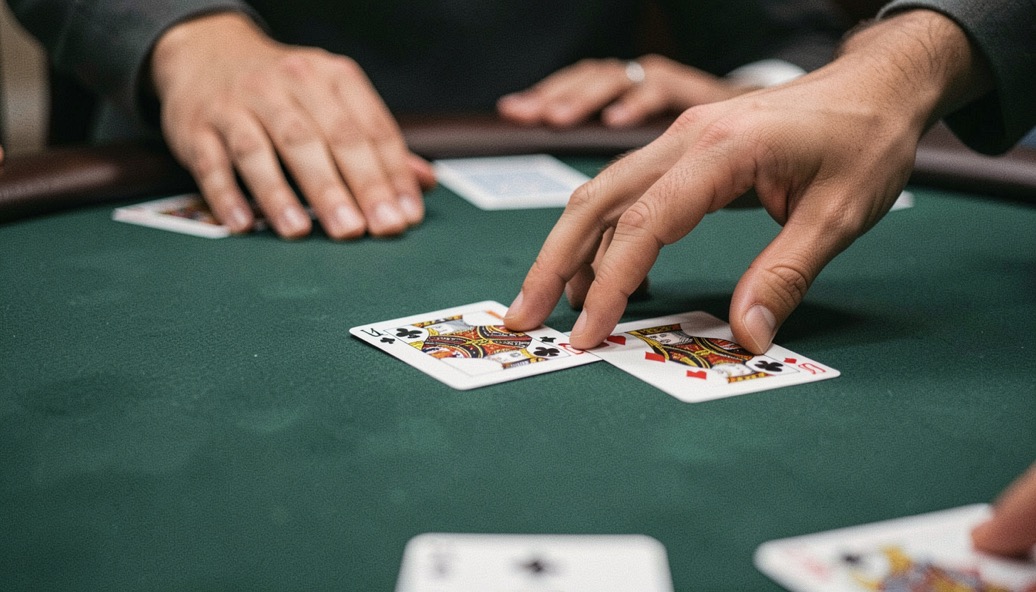
Hearts looks like a game you win by dodging, and the dodging is real: every heart is a point, the queen of spades is thirteen, and the lowest score wins when someone crosses one hundred. But the avoidance has structure, and the structure starts before the first trick, in the pass. The hands that win at hearts are the hands that decided, during the pass, which suits they intended to abandon and which single player they intended to punish.
The pass is the first play of the hand
Hearts passes rotate: three cards left on the first hand, right on the second, across on the third, and no pass on the fourth, where the deal itself is the test. The standard plan is to pass from your longest weaknesses and your highest dangers: the ace and king of spades without the queen beneath them are the classic pass, because they win the trick the queen lands on. High hearts go early. Low spades stay home; the two and three of spades are protective equipment, not passengers. And never pass the queen of spades herself to a player whose left seat you will hold for the whole hand, because the pass travels only once and the queen can be fed back to you every trick after.
Voiding: the engine of the game
A player with a void leads or sloughs freely on that suit, and hearts strategy is largely the craft of manufacturing voids. Keep a short suit deliberately during the pass: three small cards of a suit you do not care about become a weapon by the fourth trick, when the suit is led and you discard your first heart on it. Count the suit as it drains; the player who knows a suit is finished wins the queen with a two of spades and calls it routine. The player who does not count eats the queen with an honor card and calls it bad luck.
| Hand you were dealt | Pass priority | Keep for the endgame |
|---|---|---|
| Ace, king of spades, no queen guard | Pass both spade honors | Low spades, two or three of them |
| Queen of spades with guards | Keep the queen guarded | Spades down to the queen |
| Long hearts, all high | Pass the two or three highest | One or two control hearts |
| Balanced, nothing dangerous | Pass to shorten one suit | The void plan itself |
| Shooting the moon candidates | Ask for hearts back | Aces and kings in every suit |
The queen of spades: victim or weapon
Thirteen points travel with the black lady, and holding her is not automatically losing. A guarded queen, meaning the queen with two or three spades beneath her, is a trap you leave set: players hunting her keep feeding low spades, and the guard ducks until the hunters run out. The unguarded queen is the most dangerous card in the deck and belongs in the pass. Watch for the reversal: when the player at your right holds the queen, the ace and king of spades you kept stop being honors and become delivery systems.
Shooting the moon, honestly
Taking every heart and the queen writes twenty six points onto every opponent, the most violent swing in the parlor, and it fails expensively when it fails. The honest conditions: the ace, king and queen of spades in hand or safely captured, length in hearts with the high cards, at least two aces elsewhere, and the pass had already told you the other players are short. Announce nothing; a moon defended against by one alert player holding back a single low heart costs the shooter the whole pot. When the fourth hand deals no pass, the moon is hardest, because sixteen unseen cards can hold the one heart that ruins it.
Common mistakes
Passing the queen to the left, where she returns for the rest of the hand. Keeping the ace and king of spades as if they were prizes instead of liabilities. Taking a trick early in the hand to keep from taking a bigger one later, then discovering the bags of hearts that follow. Hunting the queen on every hand at a table of four hunters, where patience always wins. And announcing the moon by winning the first five tricks loudly, which hands the defense its script.
The avoidance discipline
Hearts rewards the same three habits every hand: pass with a plan, count the voids as they open, and know before the fifth trick whether the queen is a trap you set or a bomb you carry. The standard game supplies the frame, the pass rotation and the low club lead; the strategy above is what runs inside it. For big tables that want the deal itself cancelled out, the duplicate format is the honest one, and the columns the score travels in are drawn in the score sheets guide, where hearts keeps its own block.